One page.
One promise.
One action.
This protects students from:
Over-designing
Info dumping
“Maybe I should add this too”
Let’s Start with Something Honest
Most people don’t mess up landing pages because they lack skill.
They mess them up because they keep adding.
A new section.
Another explanation.
One more link “just in case.”
That’s how simple pages turn into clutter.
If this feels familiar, read Why Done Beats Perfect in Web Design, it explains why most pages don’t need improvement, they need restraint.
The Actual Job of a Landing Page
A landing page has one job:
Get someone to take one clear step.
Not five.
Not “learn more.”
Not “browse around.”
If you try to explain everything you know, the page breaks.
This is the same mistake people make with websites in general.
More pages, more sections, more complexity, less clarity.
If you feel the urge to keep expanding, see Why 4 Pages Are Enough for Your First Site. The same logic applies here.
One Page Means Fewer Escape Routes
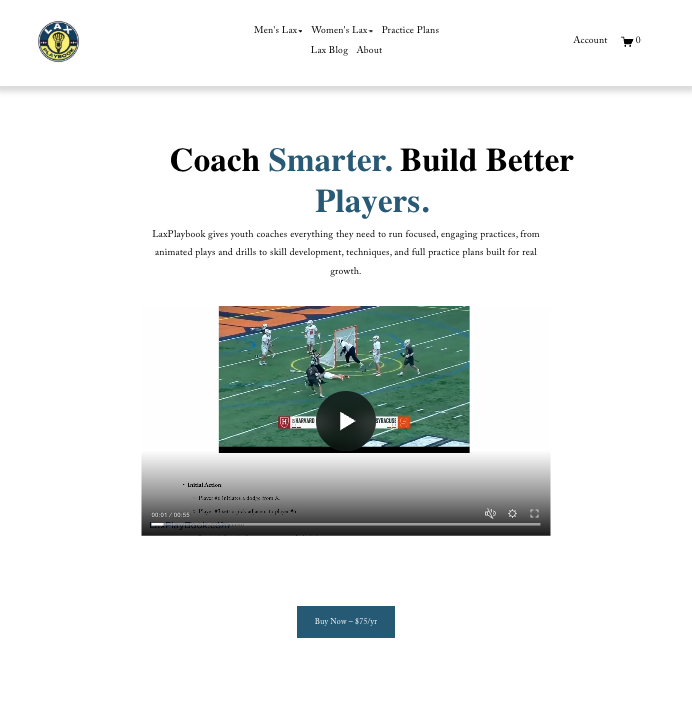
Navigation kills focus.
Every extra link gives someone a way to leave without deciding.
That’s why landing pages remove menus.
Not as a trick.
As a courtesy.
You’re saying:
“This is the one thing worth considering right now.”
If this feels uncomfortable, that’s normal.
It’s the same discomfort people feel when they stop overbuilding.
Read Simple Beats Clever Every Time if you need reinforcement here.
One Promise Beats Multiple Good Ideas
Most landing pages don’t fail because the offer is bad.
They fail because the message is scattered.
When you stack promises, none of them land.
This is the same problem people have when naming sites, structuring content, or explaining what they do.
If you’re struggling to keep the promise narrow, The Name Isn’t the Brand helps reset how much weight one message needs to carry.
One Action Removes Guesswork

If someone has to think about what to do next, you’ve already lost them.
“Read more.”
“Explore.”
“Check this out.”
Those aren’t actions.
They’re delays.
A good landing page makes the next step boring and obvious.
If you’re tempted to add more steps later, read Build for Momentum, Not Perfection. You can always expand after the first decision exists.
Bottom Line
A landing page isn’t where you show range.
It’s where you show discipline.
Decide the action.
Strip everything else.
Publish the page.
You can improve it later, after it exists.