Why This Matters More Than You Think
You don't need to become an ads expert.
But you do need to understand the basics well enough that no one can confuse you with jargon, sell you something unnecessary, or convince you that complexity is the same as competence.
This lesson exists to make you literate, not technical.
When you understand how ads and analytics actually work, you stop feeling lost. You ask better questions. You make clearer decisions. And you don't waste money on things that sound impressive but don't move anything forward.
What a Pixel Is and Why It Matters
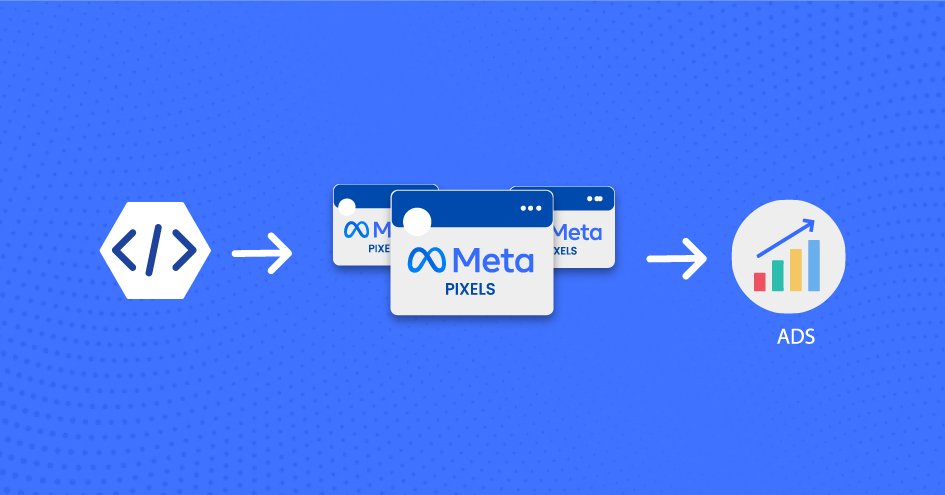
A pixel is a tiny piece of code you put on your website that tracks what people do after they click your ad.
That's it.
It tells the ad platform:
Someone visited your page
Someone clicked a button
Someone bought something
Someone left without doing anything
Without a pixel, your ad platform is blind. It can send traffic, but it can't learn what's working.
With a pixel, the platform gets smarter over time. It starts showing your ads to people who behave like the ones who already converted.
This is why "install the pixel" is one of the first things people say when you mention running ads. It's not complicated. It's foundational.
If you're unsure whether you even need ads yet, this helps clarify when they make sense and when they don't.
Read: Do I Really Need to Install a Pixel Before Running Ads?
Basic Funnel Stages: View, Click, Checkout, Purchase
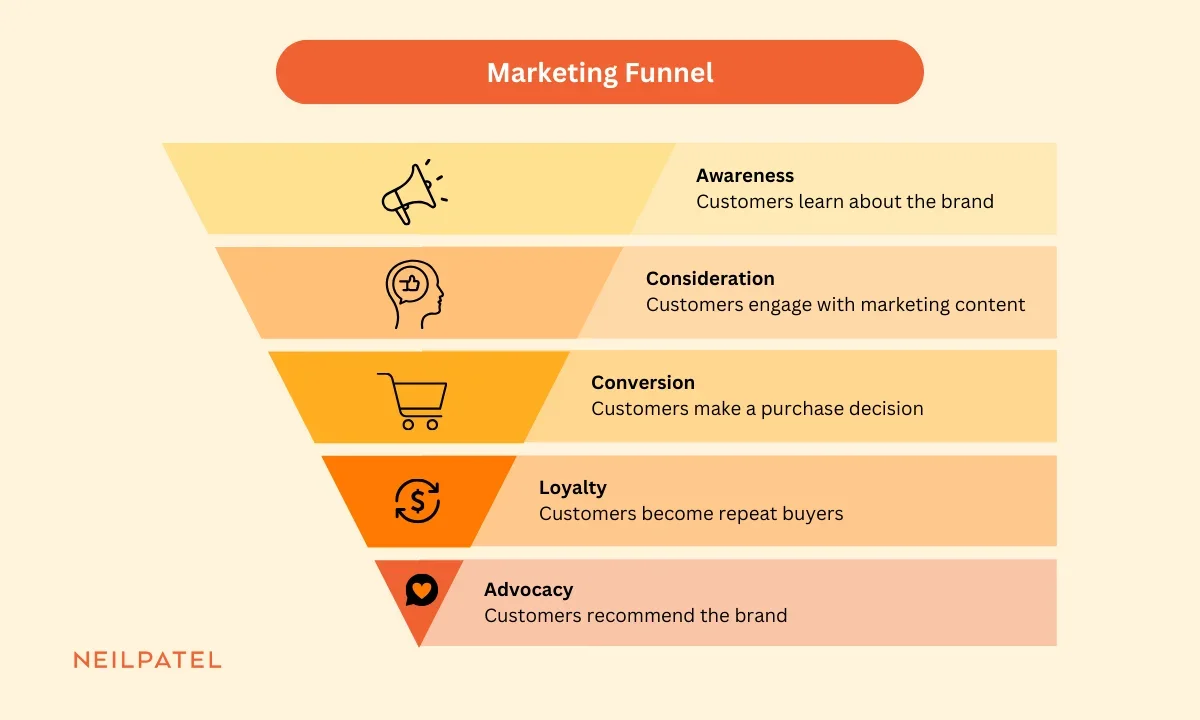
A funnel is just a path someone takes from seeing your ad to buying (or opting in).
The stages look like this:
View (Impression)
Someone sees your ad. They might scroll past it. They might stop. Either way, it counted as a view.
Click
Someone was interested enough to click. Now they're on your page.
Checkout (or Opt-In)
Someone decided to take the next step. They added something to cart, or they entered their email, or they hit "buy now."
Purchase (or Conversion)
They completed the action. Money changed hands, or they confirmed their signup.
Each stage is a decision point. And at each stage, some people drop off.
That's normal. The goal isn't to eliminate drop-off. The goal is to understand where it happens and why.
Read:The Four Funnel Stages Every Beginner Should Understand
Where Drop-Off Usually Happens
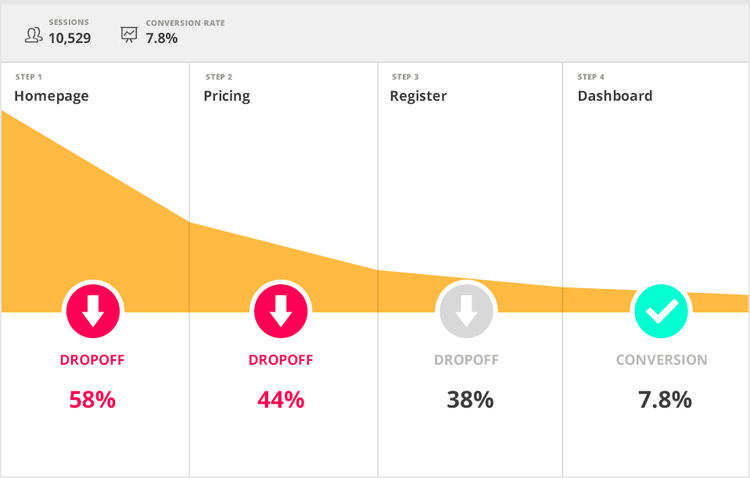
Most people lose traffic in predictable places:
Between view and click:
Your ad didn't communicate clearly enough. People didn't understand what it was for, or who it was for.
Between click and checkout:
Your landing page didn't match the ad. The message felt disconnected. The promise wasn't clear. The friction was too high.
Between checkout and purchase:
Something broke trust. The price felt mismatched. The process felt complicated. A question went unanswered.
When you know where people drop off, you know what to fix.
This is why looking at a dashboard without context creates panic. Numbers feel bad, but you don't know what they mean.
When you understand stages, you can say: "Okay, people are clicking but not converting. That means the ad is working, but the page isn't."
That's actionable.
Read:Why People Click Your Ad But Don't Buy (And How to Fix It)
What "Learning Phase" Actually Means
When you first launch an ad, the platform doesn't know who to show it to yet.
It starts by testing. Showing it to different people. Watching who clicks, who converts, who ignores it.
This testing period is called the learning phase.
During this time, performance is unstable. Costs can be high. Results can be inconsistent.
That's not a sign the ad is failing. It's a sign the system is gathering data.
The learning phase usually lasts until the ad gets around 50 conversions (or whatever the platform's threshold is). After that, the algorithm gets smarter and performance stabilizes.
This is why people say "don't turn off your ad after one day." You're interrupting the learning process.
It's also why running ads with a tiny budget often doesn't work. The platform never gets enough data to optimize.
Understanding this removes a lot of the emotional reaction people have when ads don't perform immediately.
Read:What the Learning Phase Actually Means (And Why You Shouldn't Panic)
How to Look at a Dashboard Without Spiraling
Most dashboards look overwhelming because they show too much at once.
Here's what actually matters when you're starting:
Impressions: How many people saw the ad?
Clicks: How many people were interested enough to visit?
Click-through rate (CTR): What percentage of people who saw it clicked? (This tells you if the ad is clear.)
Conversions: How many people completed the action you wanted?
Cost per result: How much did each conversion cost?
That's it. Everything else is noise until you have enough data to care about it.
When you look at these five things, you can answer:
Is the ad reaching people? (Impressions)
Is the message landing? (CTR)
Is the page working? (Conversions)
Is the cost sustainable? (Cost per result)
You don't need to be an expert to ask these questions. You just need to know they exist.
Read:The Five Metrics That Actually Matter When Running Ads
Bottom Line
You don't need to run ads to build a business.
But if you do run them, or if you ever hire someone to run them for you, this baseline literacy protects you.
It keeps you from being sold on vanity metrics.
It keeps you from panicking during the learning phase.
It keeps you from blaming the wrong thing when something isn't working.
Ads are not magic. They're not mysterious. They're just paid attention with tracking attached.
When you understand the basics, you stop feeling intimidated. And that clarity makes every decision easier.