Why Charging Feels Heavier Than It Should
Most real estate agents don’t struggle with creating something useful.
You already explain contracts, pricing strategy, inspections, negotiations, and timelines every week.
What feels heavy is the moment it turns paid.
As soon as money enters the picture, the pressure spikes.
“This needs to be more complete.”
“I probably need a bigger following first.”
“What if other agents think this is stupid?”
So instead of packaging a small guide or checklist, you overbuild.
Or you delay.
This lesson exists to make charging feel normal, not dramatic.
Your First Paid Asset Is Not a Launch
You don’t need a countdown.
You don’t need a webinar.
You don’t need a big announcement to your entire MLS.
Your first paid asset is closer to a quiet test than a reveal.
Maybe it’s:
A buyer consult script
A pricing worksheet
A listing prep checklist
A local market explainer template
You’re not proving demand to the internet.
You’re checking if one real agent finds this useful.
If this framing is new, What a Soft Launch Looks Like (And Why It Works) explains why selling to a small, warm group beats “going public” every time.
You’re not proving demand to the internet.
You’re checking if one real person finds this valuable.
Credibility Beats Popularity
Another reason agents overbuild? Insecurity.
You think you need:
More followers
More recognition
More production volume
More proof
But agents don’t buy because you’re popular. They buy because what you’re offering is clear and specific.
If your guide solves one real, painful problem, that’s enough.
If you need to reset this mentally, Why Looking Like You Know Your Stuff Beats Having a Million Followers reinforces why clarity converts better than reach.
You’re Not Selling a Transformation
Your first paid product is not:
“Become a top producer in 30 days.”
It’s a tool.
Something that helps another agent:
Avoid underpricing a listing
Structure a smoother buyer process
Handle objections with more confidence
Save time on repetitive explanations
Small assets work because they’re practical.If you catch yourself trying to “justify the price,” The Psychology of Saying Yes to a Price helps reframe pricing as clarity, not persuasion.
You Don’t Need Permission
You don’t need:
More subscribers.
More engagement.
More applause.
You need usefulness.
If you’re unsure how to talk about something paid before it feels finished, How to Talk About Your Offer Before It’s Ready shows why conversation usually comes before confidence.
Why one landing page is enough
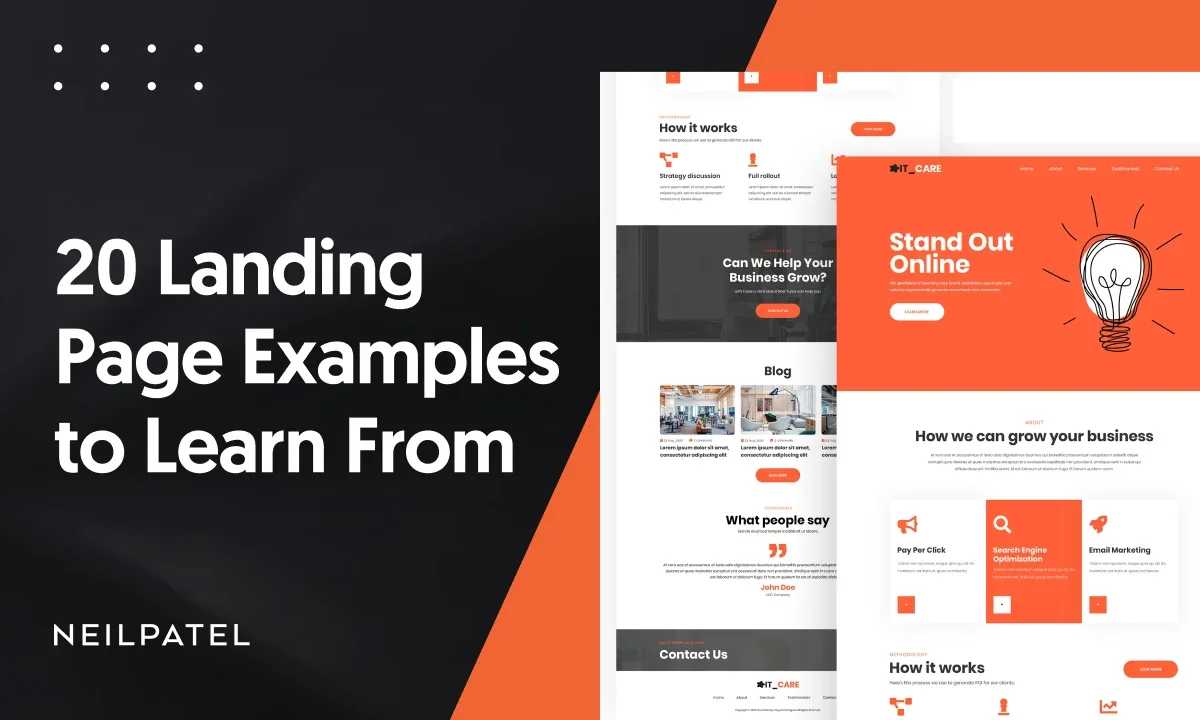
Your first paid asset doesn’t need a funnel.
It needs a place to live.
One clear page.
One explanation.
One way to buy.
Nothing more.
This is why simple selling systems outperform complex ones early on.
If you want to see this principle applied cleanly, The Power of Selling Through Just One Landing Page reinforces why focus beats sophistication.
Bottom line
Your first paid product is not your best work.
It’s your first signal.
Make it small.
Make it clear.
Put a price on it.
You’re not committing to this forever.
You’re starting.